
Industrial Painting:
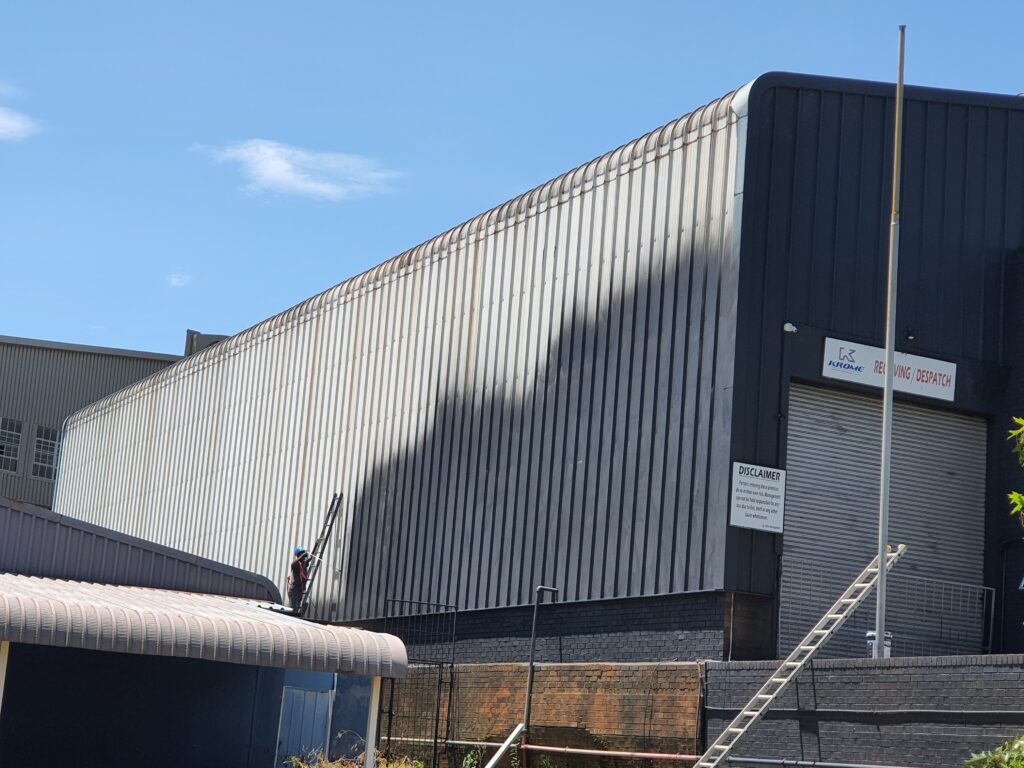
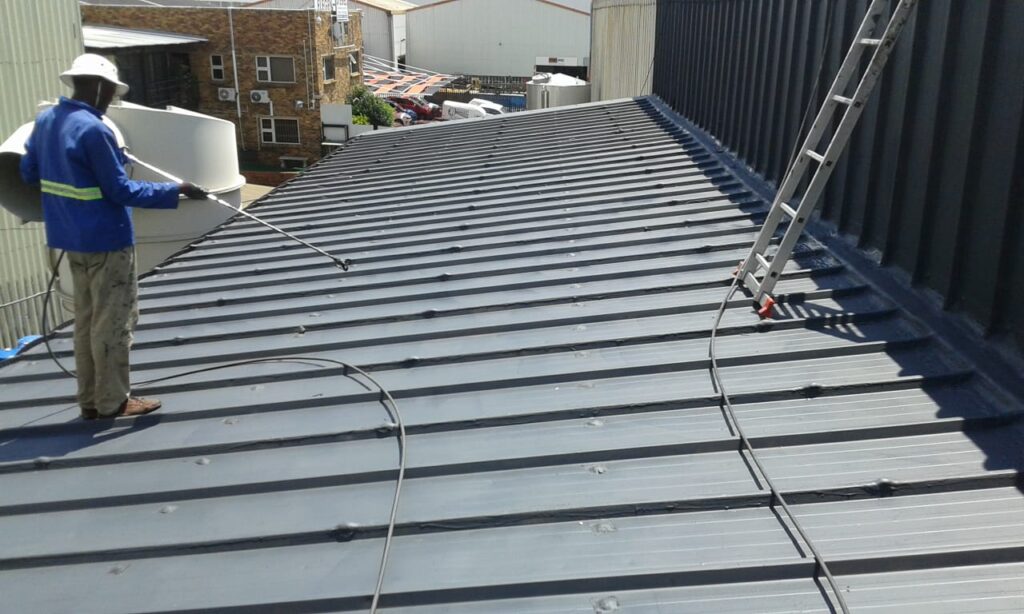
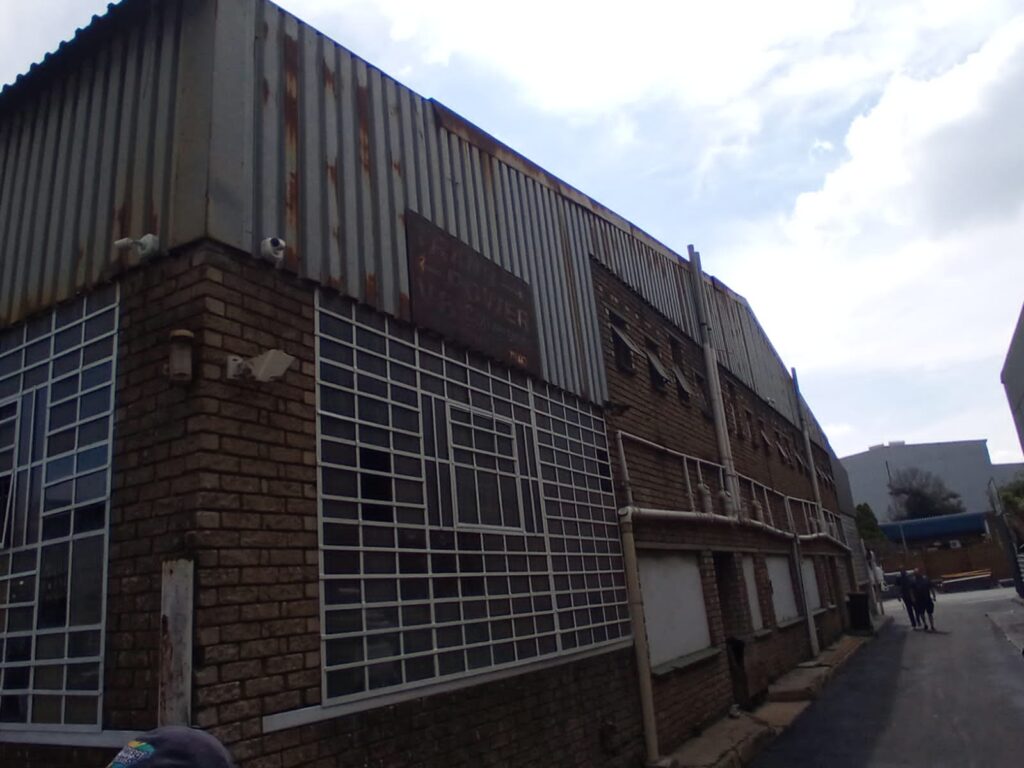
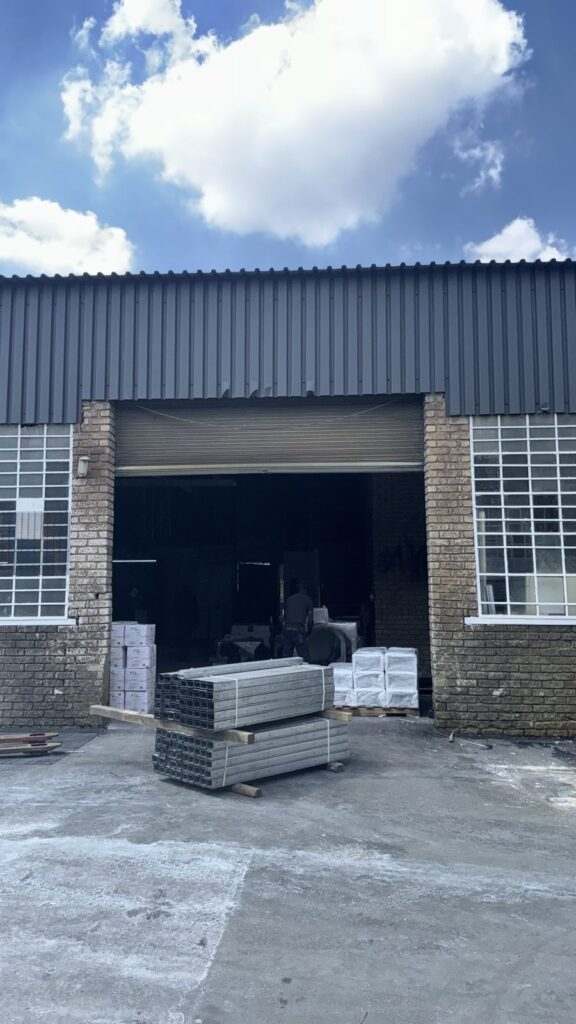
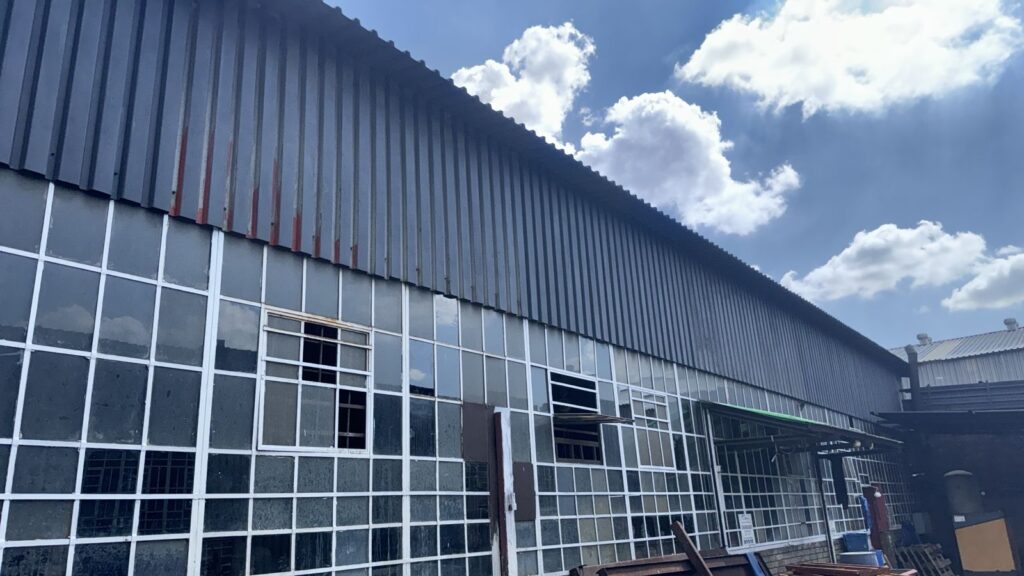
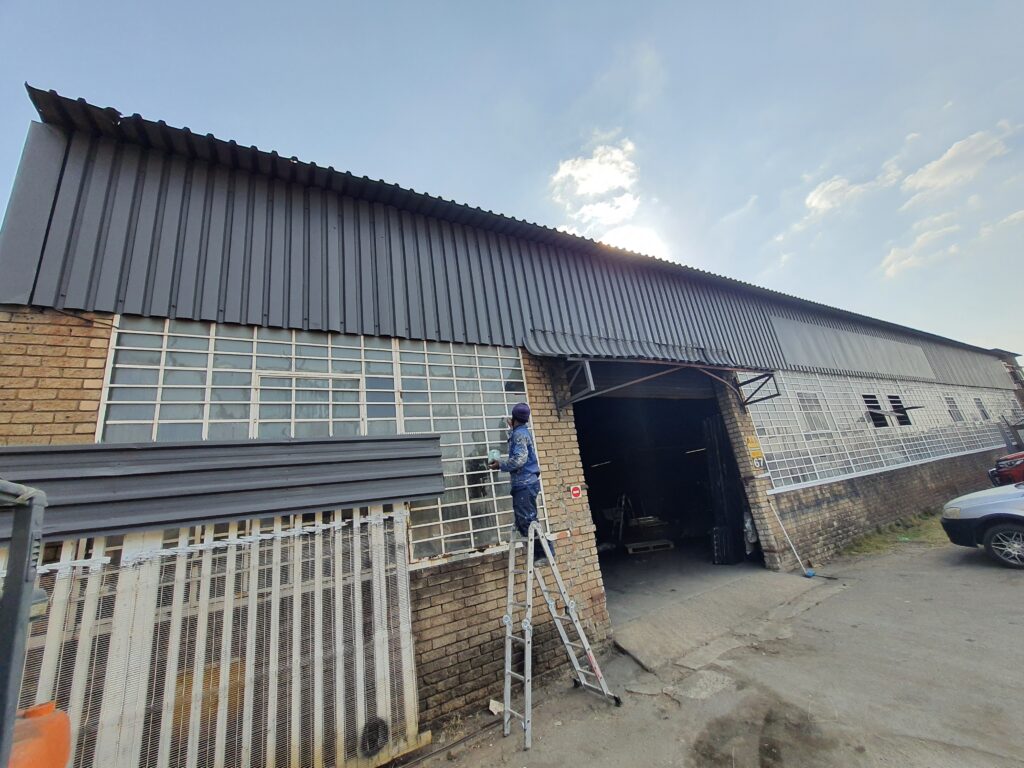
- Focus: Primarily concerned with protecting surfaces from harsh environmental conditions, corrosion, and abrasion.
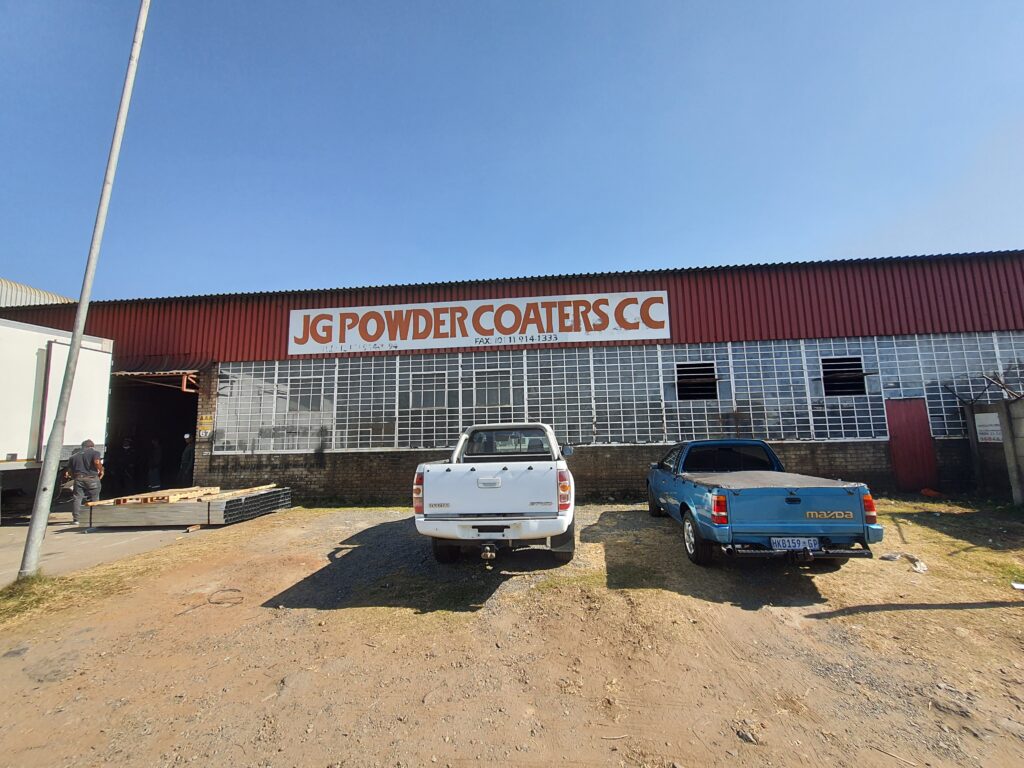
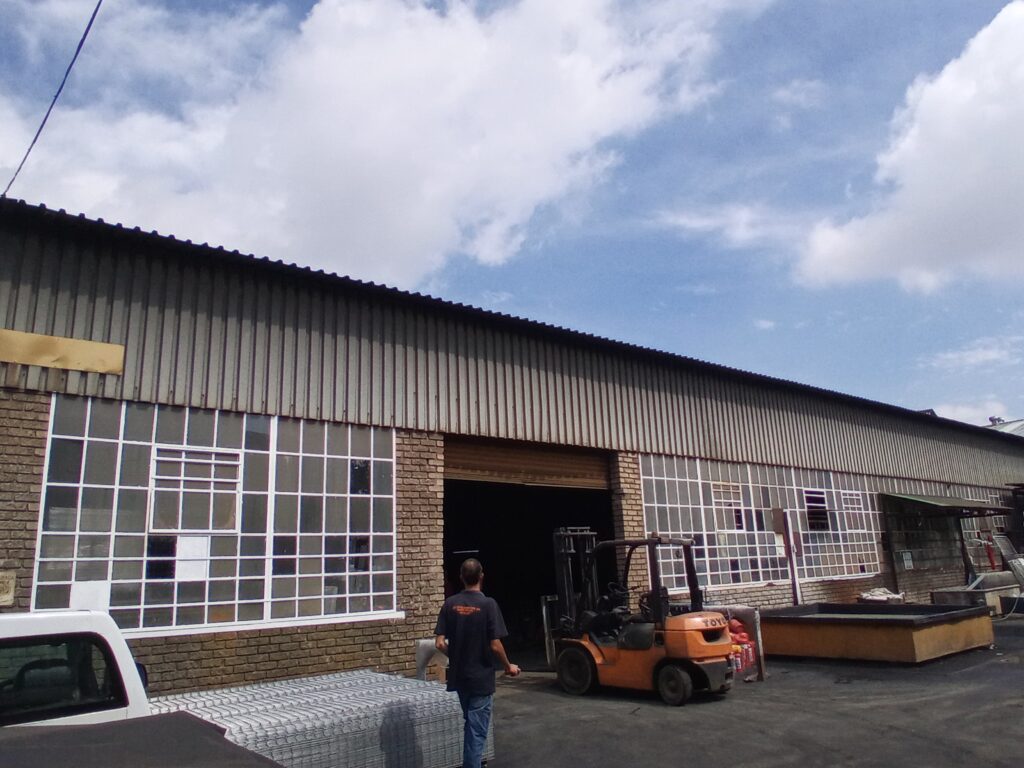
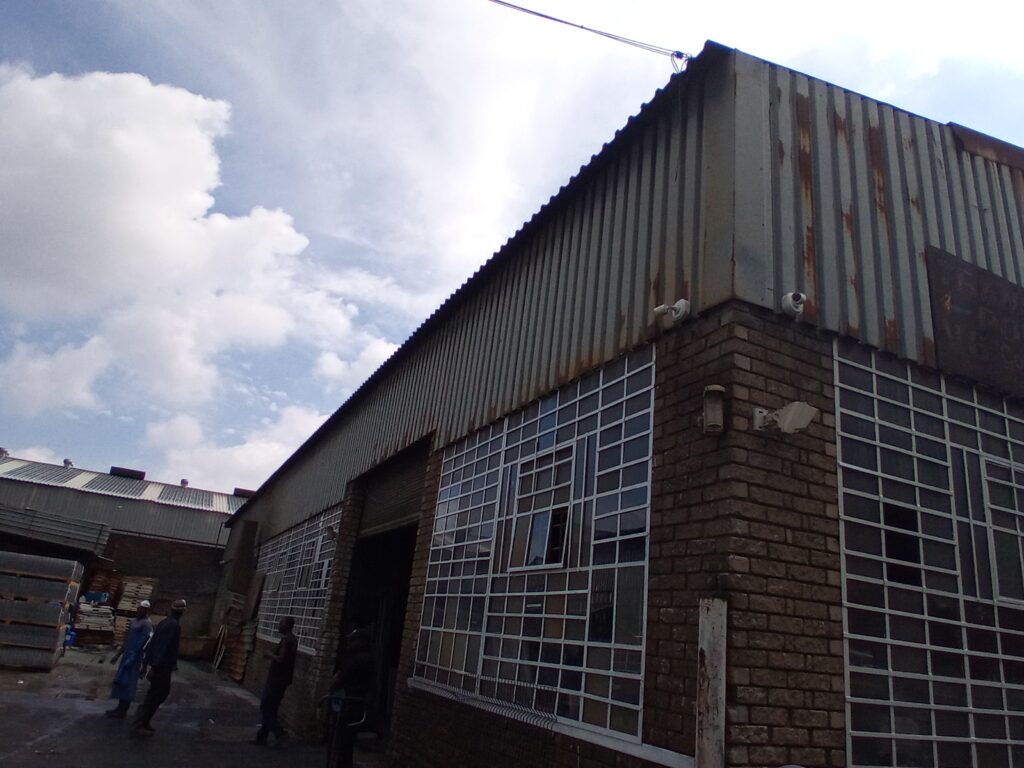
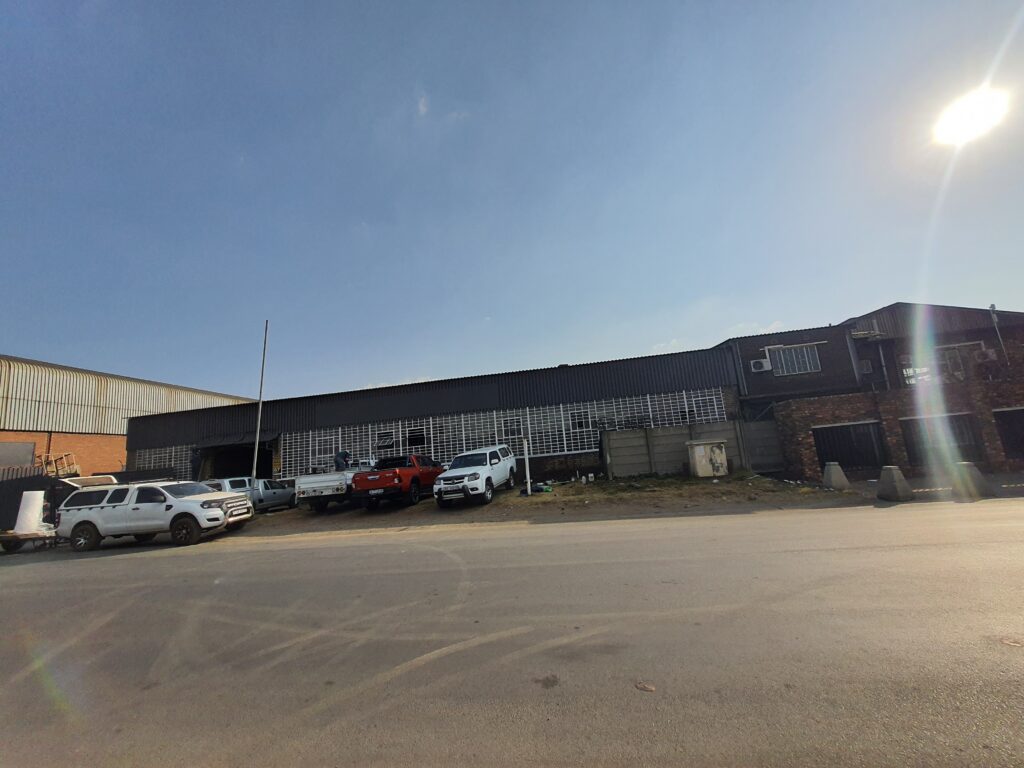
- Examples: Factories, warehouses, bridges, tanks, and other industrial facilities.
- Key Considerations: Surface preparation, selecting appropriate coatings, and specialized application techniques.
- Safety: Requires extra vigilance due to working in hazardous environments, potentially at heights, and adherence to strict safety protocols.
- Coatings: May use specialized coatings like epoxy or high-performance paints for durability and long-term protection.
- Examples: Sandblasting, coating of storage tanks and pipelines, etc.
Commercial Painting:
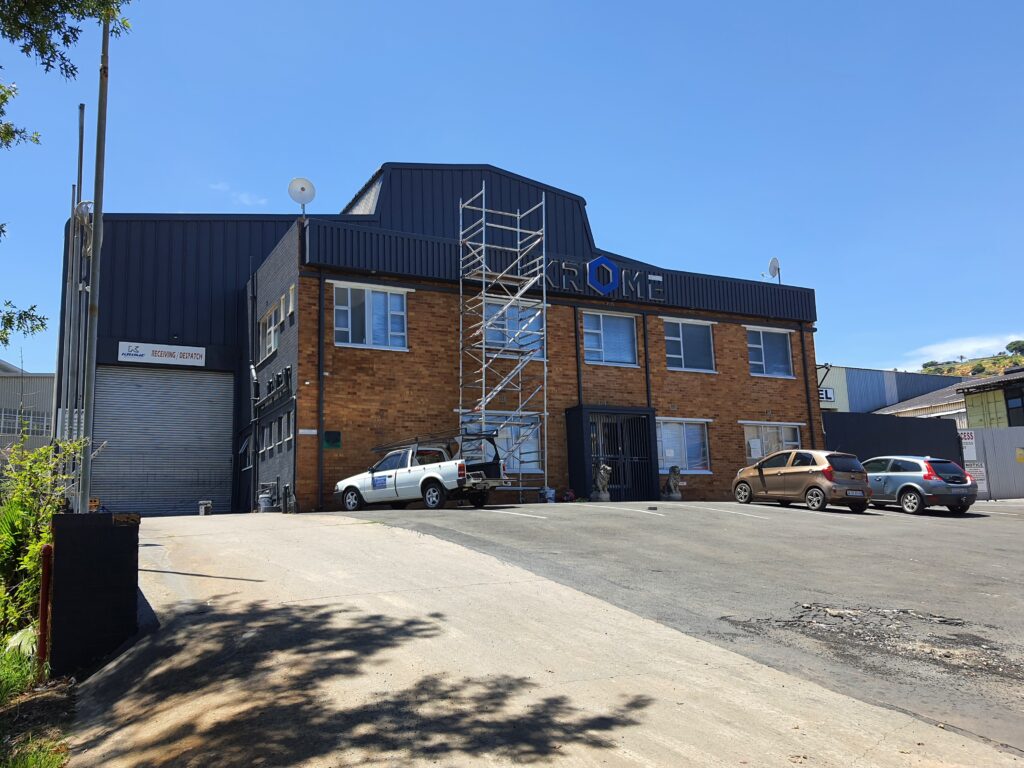
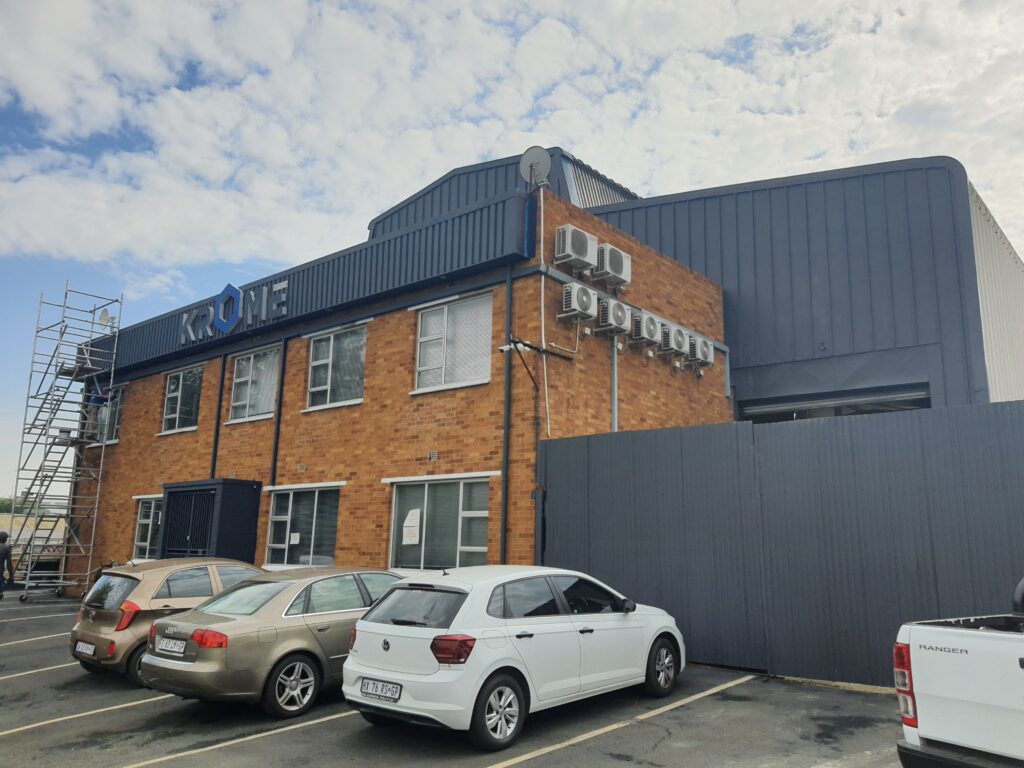
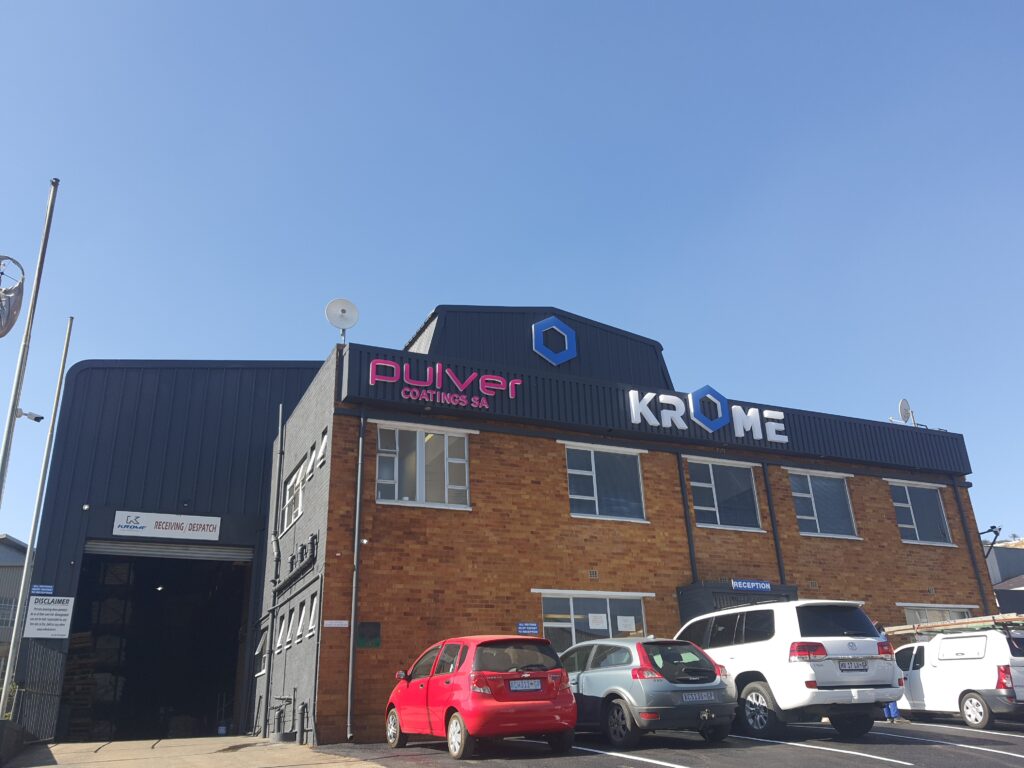
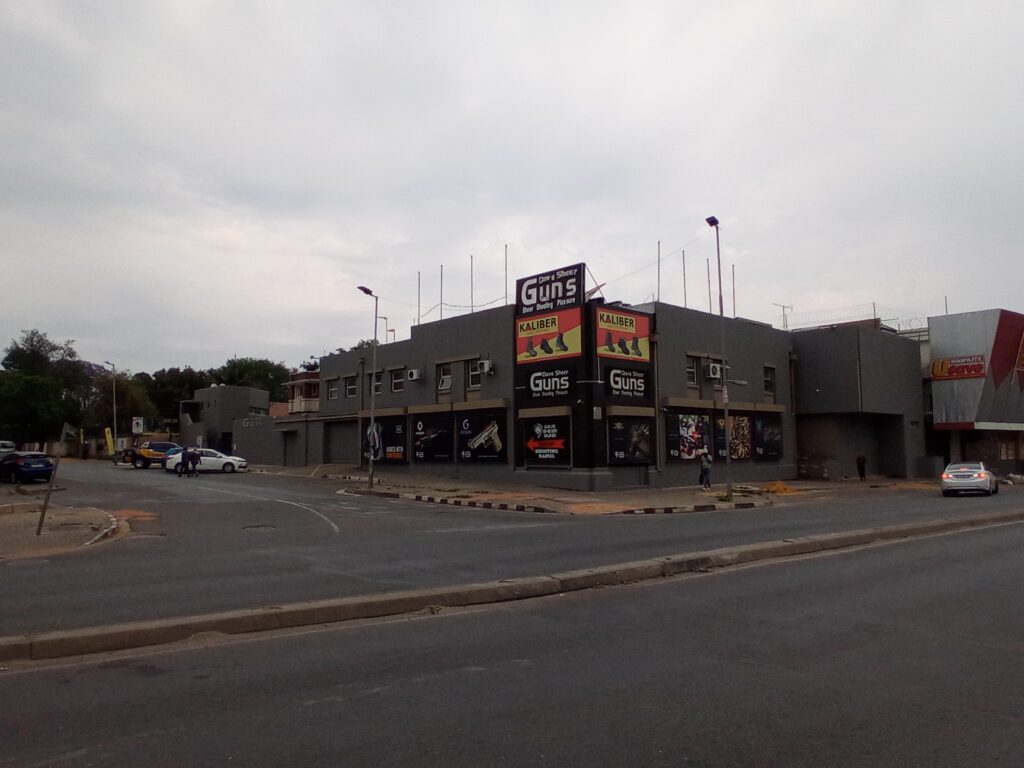
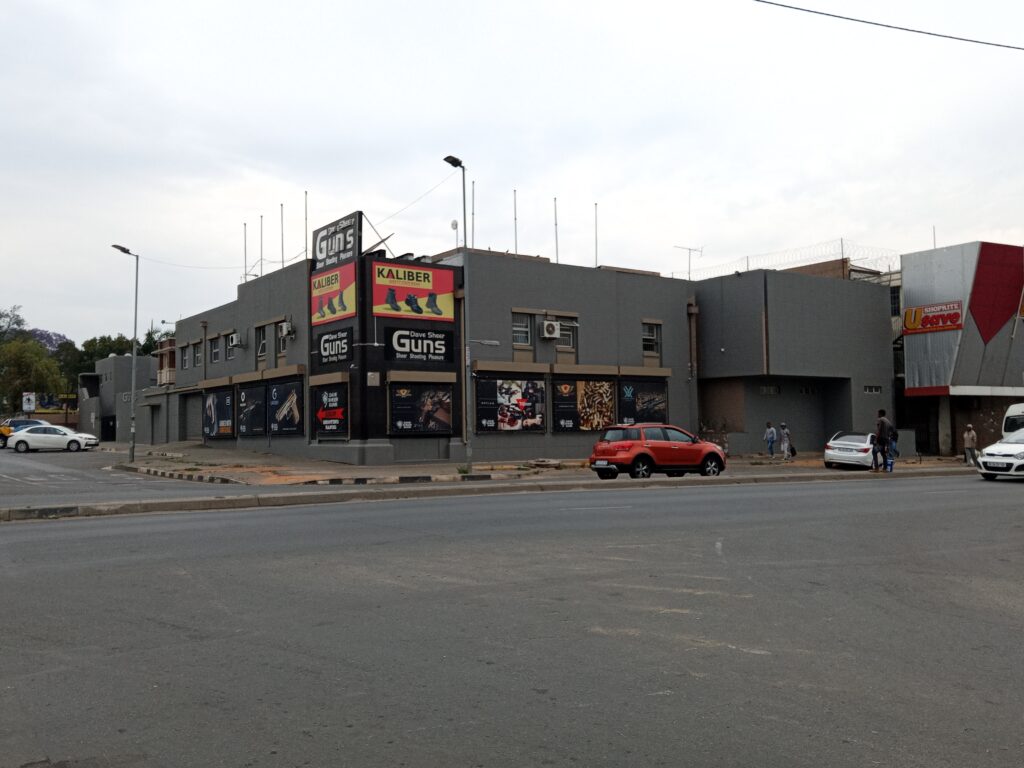
- Focus: Enhancing the visual appeal of businesses while also protecting the structure from weather and wear and tear.
- Examples: Office buildings, retail spaces, shopping centers, hotels, and schools.
- Key Considerations: Choosing the right color palette, preparing the painting surface, and applying primer.
- Safety: While safety is always important, commercial painting projects typically involve fewer hazards than industrial painting.
- Coatings: Common choices include latex or water-based paints for interior and exterior surfaces, known for their durability and ease of application.
- Examples: Interior and exterior painting of commercial buildings.
Key Differences:
- Scale and Complexity:Industrial projects are often larger and more complex, requiring specialized equipment and techniques.
- Purpose of Painting:Industrial painting focuses on protection and durability, while commercial painting emphasizes aesthetics and visual appeal.
- Safety Measures:Industrial projects require stricter safety protocols due to hazardous materials and environments.
- Types of Surfaces:Industrial painting may involve specialized surfaces like tanks, pipelines, and machinery, while commercial painting focuses on walls, ceilings, and other building surfaces.